AACN certification · Exam CCRN-Adult

CCRN-Adult Mock Exam Page 5

Direct Care Eligibility Pathway

Free CCRN-Adult mock exam questions 41–45, each with the answer and an explanation.

20 questions · 33 minutes · free, no sign-up

Free CCRN-Adult questions

41–45 of 45 free
Question 41 Choose 1
Which of the following suggests acute peripheral arterial insufficiency?
Show answerHide answer

Correct answer: D sudden, severe pain at rest

Explanation

Explanation: Acute peripheral arterial insufficiency typically presents with sudden, severe pain at rest, which may be accompanied by other signs such as pallor, paresthesia, paralysis, pulselessness, and poikilothermia (the six P's). This condition indicates a critical reduction in blood flow to the affected extremity, requiring immediate medical attention. References: AACN Adult CCRN Certification Review Course, AACN CCRN Exam Handbook.
Question 42 Choose 1
A 22-year-old trauma patient sustained multiple fractures after a fall. The patient fell 50 feet from a cliff while rock climbing without a harness. The patient is intubated and sedated with casts to bilateral lower extremities. The nurse should recognize that young adults are
Show answerHide answer

Correct answer: A more likely to engage in risk-taking behaviors.

Question 43 Choose 1
A nurse is performing medication reconciliation during a patient's admission. To determine the patient's current understanding of the medication furosemide (Lasix), which of the following is the best statement by the nurse?
Show answerHide answer

Correct answer: A "Can you explain to me what furosemide (Lasix) does for you?"

Explanation

Explanation: Asking the patient to explain what furosemide (Lasix) does for them assesses their understanding and allows the nurse to gauge their knowledge and correct any misconceptions. This method is more effective than asking yes/no questions, as it provides a comprehensive insight into the patient's medication literacy. References: = AACN Handbook for CCRN Certification, pp. 102-105.
Question 44 Choose 1
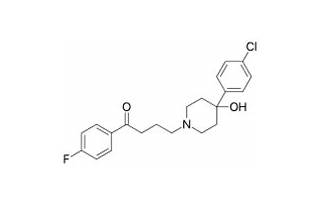
After the administration of haloperidol (Haldol), a nurse should monitor closely for
Show answerHide answer

Correct answer: A prolonged QT interval and cardiac dysrhythmias.
Explanation

Explanation:


Haloperidol has a known side effect of prolonging the QT interval, which can lead to cardiac dysrhythmias123. Therefore, after the administration of haloperidol, it is important for a nurse to monitor for a prolonged QT interval and cardiac dysrhythmias123. This is why continuous cardiac monitoring is recommended if repeated doses are given1.
Question 45 Choose 1
A patient is 2 days post MI. The patient was stable until this morning, when severe chest discomfort developed. Assessment reveals:

BP70/palpable
HR122
RR38
PAOP28 mm Hg, with large V waves
CI1.6 L/min/m2
Cool, clammy skin
Inspiratory crackles throughout the lung field
Loud blowing holosystolic murmur at the apex

The patient's present clinical status is most likely a result of
Show answerHide answer

Correct answer: D ventricular septal defect

Explanation

Explanation: The patient’s present clinical status is most likely a result of a ventricular septal defect (VSD), which is a hole in the wall between the left and right ventricles. A VSD can occur as a mechanical complication of MI, usually within the first week, due to necrosis and rupture of the ventricular septum. A VSD causes a left-to-right shunt of blood, which leads to increased pulmonary pressure, pulmonary edema, and reduced cardiac output. The patient’s symptoms and signs are consistent with a VSD, such as severe chest pain, hypotension, tachycardia, respiratory distress, high PAOP with large V waves, low CI, cool and clammy skin, inspiratory crackles, and a loud blowing holosystolic murmur at the apex. A papillary muscle rupture, a cardiac tamponade, and an acute aortic insufficiency are other possible mechanical complications of MI, but they have different clinical manifestations. A papillary muscle rupture causes acute mitral regurgitation, which presents with a soft systolic murmur at the apex and pulmonary congestion1. A cardiac tamponade causes compression of the heart by pericardial fluid, which presents with hypotension, muffled heart sounds, and jugular venous distension2. An acute aortic insufficiency causes backflow of blood from the aorta to the left ventricle, which presents with a diastolic decrescendo murmur at the left sternal border and a wide pulse pressure3.

That's the last free question

You've seen the free 30% (45 of 150 questions). Full access unlocks every question and full-length CCRN-Adult mock exams (65 questions, 105 minutes), a different mock on every attempt.

Unlock full mock exam
Full mock exam

Sit the CCRN-Adult exam before exam day

Full-length mocks with the same number of questions and the same time limit as the real CCRN-Adult exam. Every attempt draws a new set of questions from the full bank, so you can keep going until you pass comfortably.

Get full CCRN-Adult mock exam
  • 65questions per mock
  • 105 mintime limit
  • 150questions in the bank
  • Newmock on every attempt