AACN certification · Exam CCRN-Adult

CCRN-Adult Mock Exam Page 4

Direct Care Eligibility Pathway

Free CCRN-Adult mock exam questions 31–40, each with the answer and an explanation.

20 questions · 33 minutes · free, no sign-up

Free CCRN-Adult questions

31–40 of 45 free
Question 31 Choose 1
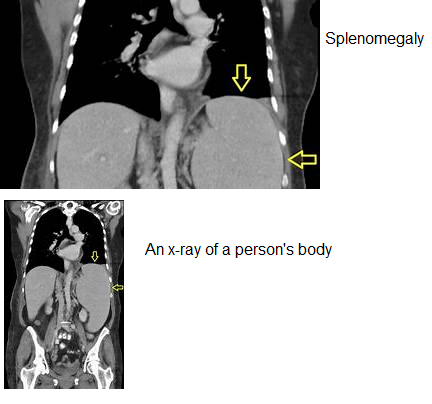
A patient presents with fever and chills, is diaphoretic, and reports experiencing abdominal and intermittent left shoulder pain for the past week. An ultrasound shows an enlarged spleen. Vital signs are:

BP 106/59
HR 118
RR 23
T101.2° F (38.4° C)

When reviewing the lab report, which of the following findings is most significant to this presentation?
Show answerHide answer

Correct answer: A positive blood cultures

Explanation

Explanation:


The patient’s presentation is suggestive of splenic abscess, which is a rare but serious complication of splenomegaly. Splenic abscess is caused by bacterial or fungal infection of the spleen, usually from hematogenous spread or contiguous spread from adjacent organs. The most common symptoms are fever, chills, abdominal pain, and left shoulder pain (Kehr sign). The most significant laboratory finding is positive blood cultures, which indicate systemic infection and sepsis. Other laboratory findings may include leukocytosis, anemia, thrombocytopenia, elevated inflammatory markers, and abnormal liver function tests. However, these are nonspecific and may vary depending on the underlying cause of splenomegaly and the type of microorganism involved.
Question 32 Choose 1
A patient who was admitted after an open aortofemoral bypass for claudication at rest has a hemoglobin A1C of 8.9. The patient admits having poor control of blood glucose levels and is scared to use insulin as directed because of a few episodes of hypoglycemia. Which of the following should the nurse initially request to be consulted?
Show answerHide answer

Correct answer: B diabetes educator

Question 33 Choose 1
Pulsus paradoxus is defined as
Show answerHide answer

Correct answer: B a decrease in systolic BP of greater than 10 mm Hg during normal inspiration.

Explanation

Explanation: Pulsus paradoxus is defined as a decrease in systolic blood pressure (BP) of more than 10 mm Hg during normal inspiration. This phenomenon occurs due to the increased negative intrathoracic pressure during inspiration, which exaggerates the normal drop in systolic BP. It is often seen in conditions such as cardiac tamponade, constrictive pericarditis, and severe asthma or COPD exacerbations. References: = CCRN Exam Handbook, AACN Adult CCRN Certification Review Course
Question 34 Choose 1
A patient with a history of alcohol abuse has been admitted for progressive dyspnea and leg swelling. Assessment findings include:

BP155/90
HR85
CVP12 mm Hg

Which of the following tests will provide the most definitive diagnosis?
Show answerHide answer

Correct answer: A echocardiogram

Question 35 Choose 1
Examination of a patient exhibiting Kernig's and Brudzinski's signs indicates which of the following?
Show answerHide answer

Correct answer: C meningeal irritation

Explanation

Explanation: Kernig's and Brudzinski's signs are classic clinical indicators of meningeal irritation, commonly associated with conditions such as meningitis. Kernig's sign is positive when there is resistance and pain upon extending the knee from a flexed position, and Brudzinski's sign is positive when flexion of the neck causes involuntary flexion of the hips and knees. These signs are not indicative of autonomic hyperreflexia, adrenal insufficiency, or increased intracranial pressure. References: = CCRN Exam Handbook, AACN Adult CCRN Certification Review Course
Question 36 Choose 1
A patient is admitted with hypotension, tachycardia, and intermittent confusion. Upon arrival, the patient asks to walk to the bathroom. Which of the following is a nurse's best action?
Show answerHide answer

Correct answer: D Situate the patient in bed and provide a bed pan.

Explanation

Explanation: Given the patient's symptoms of hypotension, tachycardia, and intermittent confusion, the safest course of action is to keep the patient in bed to prevent falls and further injury. The patient is at high risk for falls due to their hemodynamic instability and altered mental status. Using a bed pan minimizes the risk of injury compared to allowing the patient to walk, which could lead to falls and worsen their condition. References: = CCRN Exam Handbook, AACN Adult CCRN Certification Review Course
Question 37 Choose 1
In a patient with hypertensive crisis, neurologic changes are caused by
Show answerHide answer

Correct answer: D increased ICP as a result of loss of cerebral autoregulation.

Explanation

Explanation: In hypertensive crisis, neurologic changes are often caused by increased intracranial pressure (ICP) as a result of loss of cerebral autoregulation. Autoregulation normally maintains consistent cerebral blood flow despite changes in systemic blood pressure. In hypertensive crisis, the extremely high blood pressure overwhelms these mechanisms, leading to increased cerebral blood flow, disruption of the blood-brain barrier, and cerebral edema, which subsequently increases ICP and causes neurologic changes.References: = CCRN Exam Handbook, page 48
Question 38 Choose 1
A patient with end-stage COPD who has failed multiple mechanical ventilation weaning trials communicates a desire to discontinue mechanical ventilation and be extubated. Which of the following is a nurse's best response?
Show answerHide answer

Correct answer: C Explore the patient's reasons for the request and understanding of potential consequences.

Explanation

Explanation: The nurse’s best response is to explore the patient’s reasons for the request and understanding of potential consequences, as this demonstrates respect for the patient’s autonomy and dignity, as well as provides an opportunity to assess the patient’s decision-making capacity, goals of care, and preferences for end-of-life care. The nurse should also provide emotional support, education, and symptom management to the patient and family. Advocating with the care team for a withdrawal of treatment plan, encouraging the patient to continue with current medications and attempts to wean, or referring the patient’s request to the healthcare facility’s ethics committee for review are not appropriate responses, as they may undermine the patient’s right to self-determination, impose the nurse’s own values or beliefs, or delay the implementation of the patient’s wishes.
Question 39 Choose 1
A patient who underwent bowel resection surgery due to small bowel rupture is tachycardic and hypotensive. A nurse calls the on-call surgical resident and reports the findings. No new orders are received. The nurse should continue to monitor the patient and
Show answerHide answer

Correct answer: C initiate the rapid response team.

Explanation

Explanation: The patient's tachycardia and hypotension following bowel resection surgery indicate potential severe complications such as hemorrhage or septic shock, which require immediate intervention. If the on-call surgical resident does not provide new orders, the nurse must act promptly to prevent further deterioration by initiating the rapid response team (RRT). The RRT can provide critical interventions and facilitate timely transfer to a higher level of care if needed. References: = CCRN Exam Handbook, AACN Adult CCRN Certification Review Course
Question 40 Choose 1
A patient admits to a nurse that he has struggled with depression and feelings of isolation and abandonment since moving into a nursing home last year,
but he has recently started taking an anti-depressant. The patient states, "Sometimes it takes everything I've got just to go on each day." Which of the following is the nurse's best initial response?
Show answerHide answer

Correct answer: A "You sound like you've been really unhappy. Have you thought about harming yourself?"

Explanation

Explanation: This is the nurse’s best initial response, as it expresses empathy, validates the patient’s feelings, and assesses the patient’s risk of suicide. Depression is a common and serious mental health condition that affects older adults, especially those living in nursing homes. Depression can cause persistent sadness, hopelessness, loss of interest, and suicidal thoughts or behaviors. The nurse should screen the patient for depression using a validated tool, such as the Patient Health Questionnaire (PHQ-9) 1, and ask about any suicidal ideation or plans. The nurse should also provide emotional support, education, and referral to appropriate resources for the patient.

B. “Those feelings should resolve when the medication you’ve started has a chance to take effect.”
This is not the nurse’s best initial response, as it dismisses the patient’s feelings, implies that the patient just needs to wait for the medication to work, and does not address the patient’s psychosocial needs. Antidepressants are one of the treatment options for depression, but they may take several weeks to show their full effect, and they may not work for everyone. The nurse should also explore other factors that may contribute to the patient’s depression, such as social isolation, loss of autonomy, chronic illness, or grief, and offer interventions that may help the patient cope, such as counseling, psychotherapy, cognitive-behavioral therapy, or social activities.

C. “I understand how you feel. We all get that way when we’re depressed.”
This is not the nurse’s best initial response, as it assumes that the nurse knows how the patient feels, minimizes the patient’s experience, and generalizes the patient’s condition. Depression is not a normal or inevitable part of aging, and it affects each person differently. The nurse should not compare the patient’s feelings to their own or to others, but rather acknowledge and respect the patient’s unique perspective and situation. The nurse should also avoid using words like “we” or “you” that may create a sense of distance or judgment, and instead use words like “I” or “me” that may convey a sense of empathy or rapport. D. “Have you talked to anyone about what is bothering you?”
This is not the nurse’s best initial response, as it may sound like the nurse is trying to avoid listening to the patient, or that the patient is bothering the nurse with their problems. The nurse should not imply that the patient should talk to someone else, but rather show interest and willingness to listen to the patient. The nurse should also use open-ended questions that invite the patient to share more, such as “How are you feeling today?” or “What has been on your mind lately?” The nurse should also use active listening skills, such as nodding, paraphrasing, reflecting, or summarizing, to demonstrate understanding and engagement.
Full mock exam

Sit the CCRN-Adult exam before exam day

Full-length mocks with the same number of questions and the same time limit as the real CCRN-Adult exam. Every attempt draws a new set of questions from the full bank, so you can keep going until you pass comfortably.

Get full CCRN-Adult mock exam
  • 65questions per mock
  • 105 mintime limit
  • 150questions in the bank
  • Newmock on every attempt