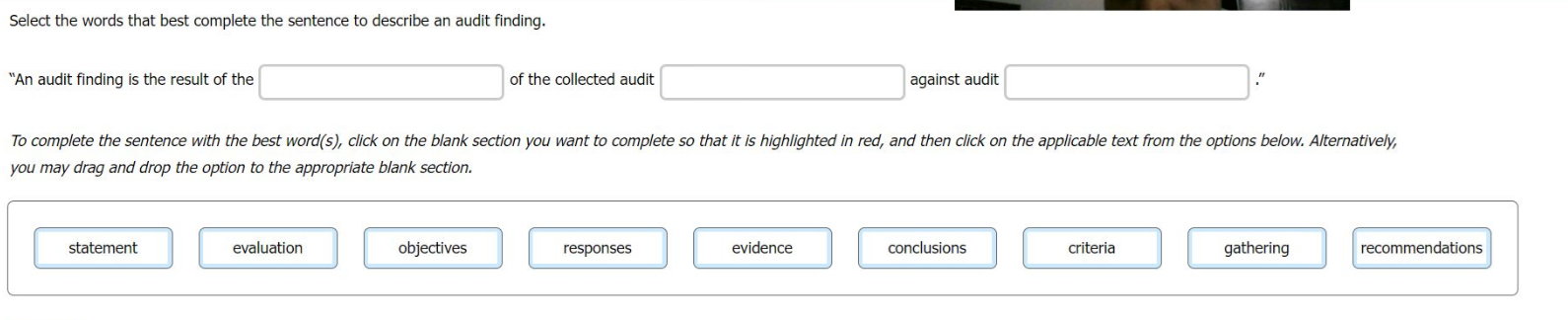
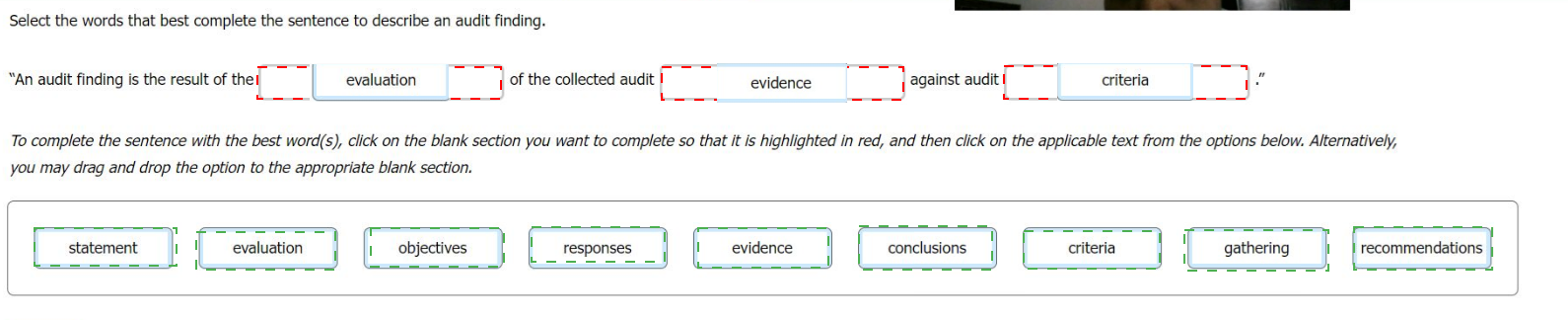
Scenario 8: Tessa. Malik, and Michael are an audit team of independent and qualified
experts in the field of security, compliance, and business planning and strategies.
They are assigned to conduct a certification audit in Clastus, a large web design
company. They have previously shown excellent work ethics, including impartiality
and objectiveness, while conducting audits. This time, Clastus is positive that they
will be one step ahead if they get certified against ISO/IEC 27001.
Tessa, the audit team leader, has expertise in auditing and a very successful
background in IT-related issues, compliance, and governance. Malik has an
organizational planning and risk management background. His expertise relies on
the level of synthesis and analysis of an organization's security controls and its risk
tolerance in accurately characterizing the risk level within an organization On the
other hand, Michael is an expert in the practical security of controls assessment by
following rigorous standardized programs.
After performing the required auditing activities, Tessa initiated an audit team
meeting They analyzed one of Michael s findings to decide on the issue objectively
and accurately. The issue Michael had encountered was a minor nonconformity in
the organization's daily operations, which he believed was caused by one of the
organization's IT technicians As such, Tessa met with the top management and told
them who was responsible for the nonconformity after they inquired about the
names of the persons responsible
To facilitate clarity and understanding, Tessa conducted the closing meeting on the
last day of the audit. During this meeting, she presented the identified
nonconformities to the Clastus management. However, Tessa received advice to
avoid providing unnecessary evidence in the audit report for the Clastus certification audit, ensuring that the report remains concise and focused on the critical findings.
Based on the evidence examined, the audit team drafted the audit conclusions and
decided that two areas of the organization must be audited before the certification
can be granted. These decisions were later presented to the auditee, who did not
accept the findings and proposed to provide additional information. Despite the
auditee's comments, the auditors, having already decided on the certification
recommendation, did not accept the additional information. The auditee's top
management insisted that the audit conclusions did not represent reality, but the
audit team remained firm in their decision.
Based on the scenario above, answer the following question:
Question:
What must Tessa do regarding the presentation of nonconformities during the closing
meeting?
Show answerHide answer
Correct answer: AProvide detailed analysis of each nonconformity, including potential impacts on
the organization
Question 22Choose 1
Scenario 8: EsBank provides banking and financial solutions to the Estonian banking
sector since September 2010. The company has a network of 30 branches with over 100
ATMs across the country.
Operating in a highly regulated industry, EsBank must comply with many laws and
regulations regarding the security and privacy of data. They need to manage information
security across their operations by implementing technical and nontechnical controls.
EsBank decided to implement an ISMS based on ISO/IEC 27001 because it provided
better security, more risk control, and compliance with key requirements of laws and
regulations.
Nine months after the successful implementation of the ISMS, EsBank decided to pursue
certification of their ISMS by an independent certification body against ISO/IEC 27001 .The
certification audit included all of EsBank’s systems, processes, and technologies.
The stage 1 and stage 2 audits were conducted jointly and several nonconformities were
detected. The first nonconformity was related to EsBank’s labeling of information. The
company had an information classification scheme but there was no information labeling
procedure. As a result, documents requiring the same level of protection would be labeled
differently (sometimes as confidential, other times sensitive).
Considering that all the documents were also stored electronically, the nonconformity also
impacted media handling. The audit team used sampling and concluded that 50 of 200
removable media stored sensitive information mistakenly classified as confidential.
According to the information classification scheme, confidential information is allowed to be
stored in removable media, whereas storing sensitive information is strictly prohibited. This
marked the other nonconformity.
They drafted the nonconformity report and discussed the audit conclusions with EsBank’s
representatives, who agreed to submit an action plan for the detected nonconformities
within two months.
EsBank accepted the audit team leader's proposed solution. They resolved the
nonconformities by drafting a procedure for information labeling based on the classification
scheme for both physical and electronic formats. The removable media procedure was also
updated based on this procedure.
Two weeks after the audit completion, EsBank submitted a general action plan. There, they
addressed the detected nonconformities and the corrective actions taken, but did not
include any details on systems, controls, or operations impacted. The audit team evaluated
the action plan and concluded that it would resolve the nonconformities. Yet, EsBank
received an unfavorable recommendation for certification.
Based on the scenario above, answer the following question:
Based on scenario 8, EsBank submitted a general action plan. Is this acceptable?
Show answerHide answer
Correct answer: CNo, a general action plan does not enable the correction of nonconformities
Question 23Choose 1
Scenario 8: EsBank provides banking and financial solutions to the Estonian banking
sector since September 2010. The company has a network of 30 branches with over 100
ATMs across the country.
Operating in a highly regulated industry, EsBank must comply with many laws and
regulations regarding the security and privacy of data. They need to manage information
security across their operations by implementing technical and nontechnical controls.
EsBank decided to implement an ISMS based on ISO/IEC 27001 because it provided
better security, more risk control, and compliance with key requirements of laws and
regulations.
Nine months after the successful implementation of the ISMS, EsBank decided to pursue
certification of their ISMS by an independent certification body against ISO/IEC 27001 .The
certification audit included all of EsBank’s systems, processes, and technologies.
The stage 1 and stage 2 audits were conducted jointly and several nonconformities were
detected. The first nonconformity was related to EsBank’s labeling of information. The
company had an information classification scheme but there was no information labeling
procedure. As a result, documents requiring the same level of protection would be labeled
differently (sometimes as confidential, other times sensitive).
Considering that all the documents were also stored electronically, the nonconformity also
impacted media handling. The audit team used sampling and concluded that 50 of 200
removable media stored sensitive information mistakenly classified as confidential.
According to the information classification scheme, confidential information is allowed to be
stored in removable media, whereas storing sensitive information is strictly prohibited. This
marked the other nonconformity.
They drafted the nonconformity report and discussed the audit conclusions with EsBank’s
representatives, who agreed to submit an action plan for the detected nonconformities
within two months.
EsBank accepted the audit team leader's proposed solution. They resolved the nonconformities by drafting a procedure for information labeling based on the classification
scheme for both physical and electronic formats. The removable media procedure was also
updated based on this procedure.
Two weeks after the audit completion, EsBank submitted a general action plan. There, they
addressed the detected nonconformities and the corrective actions taken, but did not
include any details on systems, controls, or operations impacted. The audit team evaluated
the action plan and concluded that it would resolve the nonconformities. Yet, EsBank
received an unfavorable recommendation for certification.
Based on the scenario above, answer the following question:
According to scenario 8, the audit team evaluated the action plan and concluded that it
would resolve the detected nonconformities. Is this acceptable?
Show answerHide answer
Correct answer: AYes. the audit team must evaluate the action plan and verify if it is appropriate for
correcting the detected nonconformities
Question 24Choose 1
A data processing tool crashed when a user added more data in the buffer than its storage
capacity allows. The incident was caused by the tool's inability to bound check arrays.
What kind of vulnerability is this?
Show answerHide answer
Correct answer: AIntrinsic vulnerability, because inability to bound check arrays is a characteristic of the
data processing tool
Question 25
Show answerHide answer
Explanation
Question 26Choose 1
Scenario 8: EsBank provides banking and financial solutions to the Estonian banking
sector since September 2010. The company has a network of 30 branches with over 100
ATMs across the country.
Operating in a highly regulated industry, EsBank must comply with many laws and
regulations regarding the security and privacy of data. They need to manage information
security across their operations by implementing technical and nontechnical controls.
EsBank decided to implement an ISMS based on ISO/IEC 27001 because it provided
better security, more risk control, and compliance with key requirements of laws and
regulations.
Nine months after the successful implementation of the ISMS, EsBank decided to pursue
certification of their ISMS by an independent certification body against ISO/IEC 27001 .The
certification audit included all of EsBank’s systems, processes, and technologies.
The stage 1 and stage 2 audits were conducted jointly and several nonconformities were
detected. The first nonconformity was related to EsBank’s labeling of information. The
company had an information classification scheme but there was no information labeling procedure. As a result, documents requiring the same level of protection would be labeled
differently (sometimes as confidential, other times sensitive).
Considering that all the documents were also stored electronically, the nonconformity also
impacted media handling. The audit team used sampling and concluded that 50 of 200
removable media stored sensitive information mistakenly classified as confidential.
According to the information classification scheme, confidential information is allowed to be
stored in removable media, whereas storing sensitive information is strictly prohibited. This
marked the other nonconformity.
They drafted the nonconformity report and discussed the audit conclusions with EsBank’s
representatives, who agreed to submit an action plan for the detected nonconformities
within two months.
EsBank accepted the audit team leader's proposed solution. They resolved the
nonconformities by drafting a procedure for information labeling based on the classification
scheme for both physical and electronic formats. The removable media procedure was also
updated based on this procedure.
Two weeks after the audit completion, EsBank submitted a general action plan. There, they
addressed the detected nonconformities and the corrective actions taken, but did not
include any details on systems, controls, or operations impacted. The audit team evaluated
the action plan and concluded that it would resolve the nonconformities. Yet, EsBank
received an unfavorable recommendation for certification.
Based on the scenario above, answer the following question:
Which action illustrated in scenario 8 is unacceptable in an external audit?
Show answerHide answer
Correct answer: AThe audit team leader suggested a specific solution on resolving the nonconformities
Question 27Choose 1
In a joint audit involving multiple audit teams, how many audit team leaders are typically
designated per audit?
Show answerHide answer
Correct answer: AOne audit team leader per audit, regardless of the number of audit teams involved
Question 28Choose 1
In the context of a third-party certification audit, it is very important to have effective
communication. Select an option that contains the correct answer about communication in
an audit context.
Show answerHide answer
Correct answer: CThe formal communication channels between the audit team and the auditee can be
established during the opening meeting
Question 29Choose 2
Review the following statements and determine which two are false:
Show answerHide answer
Correct answer: C, FThe number of days assigned to a third-party audit is determined by the auditee's availabilityAuditors approved for conducting onsite audits do not require additional training for virtual audits, as there are no significant differences in the skillset required
Question 30Choose 1
Scenario 5: Cobt. an insurance company in London, offers various commercial,
industrial, and life insurance solutions. In recent years, the number of Cobt's clients
has increased enormously. Having a huge amount of data to process, the company
decided that certifying against ISO/IEC 27001 would bring many benefits to securing
information and show its commitment to continual improvement. While the company
was well-versed in conducting regular risk assessments, implementing an ISMS
brought major changes to its daily operations. During the risk assessment process,
a risk was identified where significant defects occurred without being detected or
prevented by the organizations internal control mechanisms.
The company followed a methodology to implement the ISMS and had an operational
ISMS in place after only a few months After successfully implementing the ISMS,
Cobt applied for ISO/IEC 27001 certification Sarah, an experienced auditor, was
assigned to the audit Upon thoroughly analyzing the audit offer, Sarah accepted her
responsibilities as an audit team leader and immediately started to obtain general
information about Cobt She established the audit criteria and objective, planned the
audit, and assigned the audit team members' responsibilities.
Sarah acknowledged that although Cobt has expanded significantly by offering
diverse commercial and insurance solutions, it still relies on some manual
processes Therefore, her initial focus was to gather information on how the
company manages its information security risks Sarah contacted Cobt's
representatives to request access to information related to risk management for the
off-site review, as initially agreed upon for part of the audit However, Cobt later
refused, claiming that such information is too sensitive to be accessed outside of
the company This refusal raised concerns about the audit's feasibility, particularly
regarding the availability and cooperation of the auditee and access to evidence
Moreover, Cobt raised concerns about the audit schedule, stating that it does not
properly reflect the recent changes the company made It pointed out that the actions
to be performed during the audit apply only to the initial scope and do not
encompass the latest changes made in the audit scope
Sarah also evaluated the materiality of the situation, considering the significance of
the information denied for the audit objectives. In this case, the refusal by Cobt raised questions about the completeness of the audit and its ability to provide
reasonable assurance. Following these situations, Sarah decided to withdraw from
the audit before a certification agreement was signed and communicated her
decision to Cobt and the certification body. This decision was made to ensure
adherence to audit principles and maintain transparency, highlighting her
commitment to consistently upholding these principles.
Based on the scenario above, answer the following question:
Question:
Based on the role of Sarah described in Scenario 5, which of the following should NOT be
part of her responsibilities?
Show answerHide answer
Correct answer: AAssigning responsibilities to the audit team members
Full mock exam
Sit the ISO-IEC-27001-Lead-Auditor exam before exam day
Full-length mocks with the same number of questions and the same time limit as the real ISO-IEC-27001-Lead-Auditor exam. Every attempt draws a new set of questions from the full bank, so you can keep going until you pass comfortably.